
smp scalp
mirco-needling pigmentation
Introducing the newest advancement in scalp coverage. Precision pigment for beautifully natural, fuller-looking results.
Also known as Scalp Painting, this innovative technique delicately infuses pigment into the scalp to create the illusion of natural hair density while maintaining a soft, realistic finish.
Using a specialized micro-needling technique, the scalp is gently stimulated in a way similar to advanced skin treatments, helping encourage healthy circulation and potentially supporting natural hair regrowth.
Creates the appearance of fuller, denser hair
Soft, natural-looking pigment placement
Stimulates the scalp similar to micro-needling treatments
Results typically last 1–2 years, depending on skin type and lifestyle
The secret to fuller-looking hair is finally here.
Pricing
Targeted micro-needling along the front hairline to restore the appearance of density and reduce scalp visibility. Ideal for receding hairlines or thinning at the temples.
Addresses thinning in a defined area of the mid-scalp, creating a fuller, denser look where hair is most visibly sparse. A precise, targeted treatment for partial coverage.
Comprehensive coverage across the entire mid-scalp zone. Ideal for diffuse thinning throughout the top of the head, creating a uniform appearance of density and depth.
Focused treatment for a defined area of crown thinning. Reduces the appearance of a visible scalp at the top of the head with soft, natural-looking pigment placement.
Full coverage of the crown area for clients experiencing broader thinning at the top of the head. Creates a seamless, natural-looking density across the entire crown zone.
Recommended 1–2 years after your initial procedure to maintain results. Pricing is based on the area treated at your original appointment.
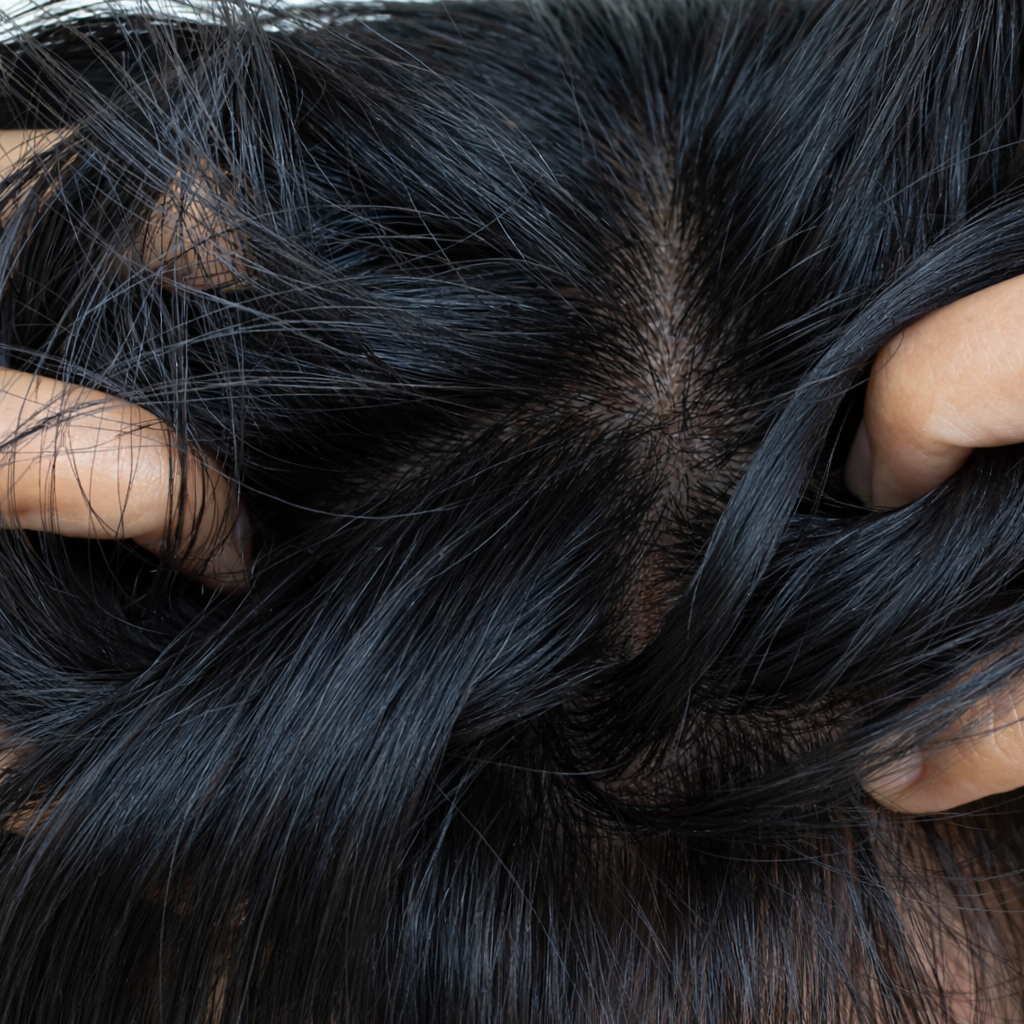
What Is Scalp Micro-needling
Unlike traditional scalp micropigmentation, this technique utilises a more delicate approach with specialised needle types, controlled depth, and refined application.
The result?
A soft, seamless effect that creates the appearance of natural scalp density — similar to the look of scalp powder rather than conventional tattooing.
Hair thinning can happen for many reasons. As we age, hair follicles may become smaller, causing hair to appear finer and less dense. Conditions such as alopecia, hormonal changes, nutritional deficiencies, and stress can also affect hair growth. For many people, genetics may also influence patterns of thinning or hair loss over time.
Scalp micro-needling can be a great option for individuals experiencing thinning hair or visible scalp. Ideal candidates often include:
- Men or women with thinning hair who want the appearance of fuller, denser hair
- Individuals with widening parts or visible scalp due to hair thinning
- People experiencing hair loss from alopecia
- Those with hair loss related to hormonal changes, stress, or aging
- Individuals looking to camouflage scars on the scalp from surgery or injury
- People who want a non-surgical solution to improve the appearance of hair density
- Those who currently use hair fibres or powders and want a longer-lasting solution
This treatment works best for clients who still have some hair but want to reduce scalp visibility and create the illusion of thicker, fuller hair.
Scalp micro-needling is designed to be performed without the need for topical anaesthetic cream. Most clients tolerate the procedure well; however, pain perception can vary from person to person.
Some mild discomfort may occur due to the needling process and individual sensitivity to the treatment. Certain areas of the scalp — particularly along the front hairline — may feel slightly more sensitive than other areas.
Pigment retention can vary from person to person depending on individual skin type, healing response, and lifestyle factors. Some clients may retain pigment very well, while others may experience lighter retention.
It is normal to notice that some of the pigment points may not remain after the initial healing process. This occurs due to natural variations in the skin and how each person heals.
For best results, a touch-up appointment is recommended 2–3 weeks after the initial procedure. During this session, the area will be reviewed and any lighter or faded areas will be refreshed to ensure a more even and natural result.